
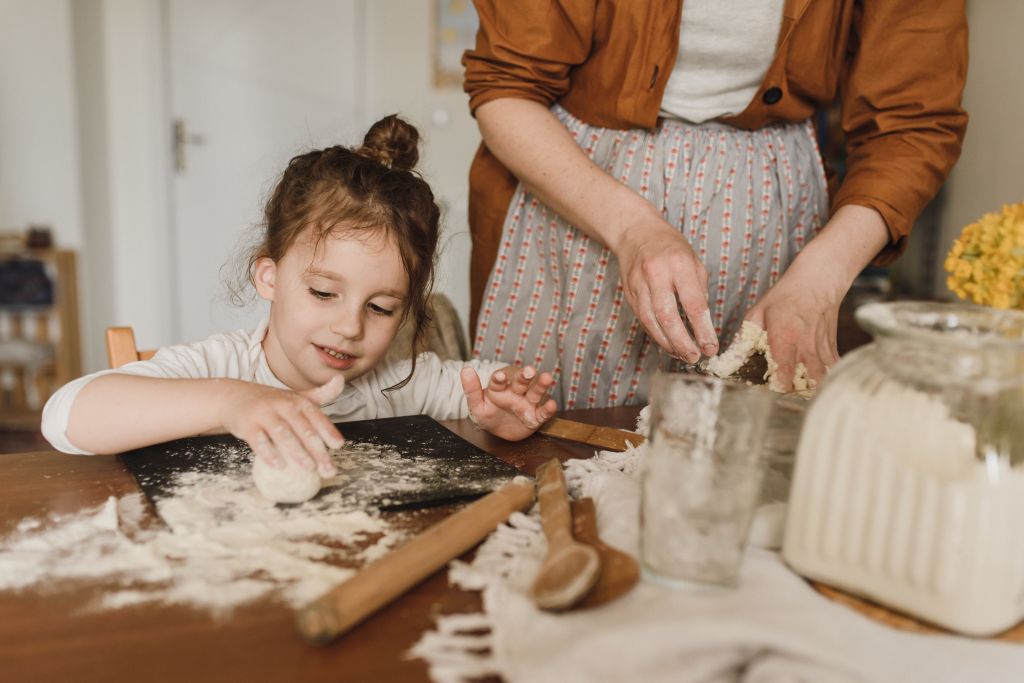
As a stay at home mom, knowing what comes next in my day stops me from wanting to pull my hair out (most of the time)! Nothing is more frustrating to me than having my toddler wondering around looking to me for what to do next while I flounder around trying to decide what’s happening. Our kids look to us to provide a safe haven and predictability. When my son knows what’s happening next, he is much more calm.
Think about when your child knows something new is pending– construction needs to be done at home or he has an appointment somewhere new. They will have a sporadic nervous energy to them because something unknown is approaching. This is the exact opposite of what you want to create in your home. By creating a daily rhythm, children know what is happening next in the day because it is the same thing every day. This does not mean that there can never be any change, but the “rhythm” stays the same.
What is a daily rhythm?
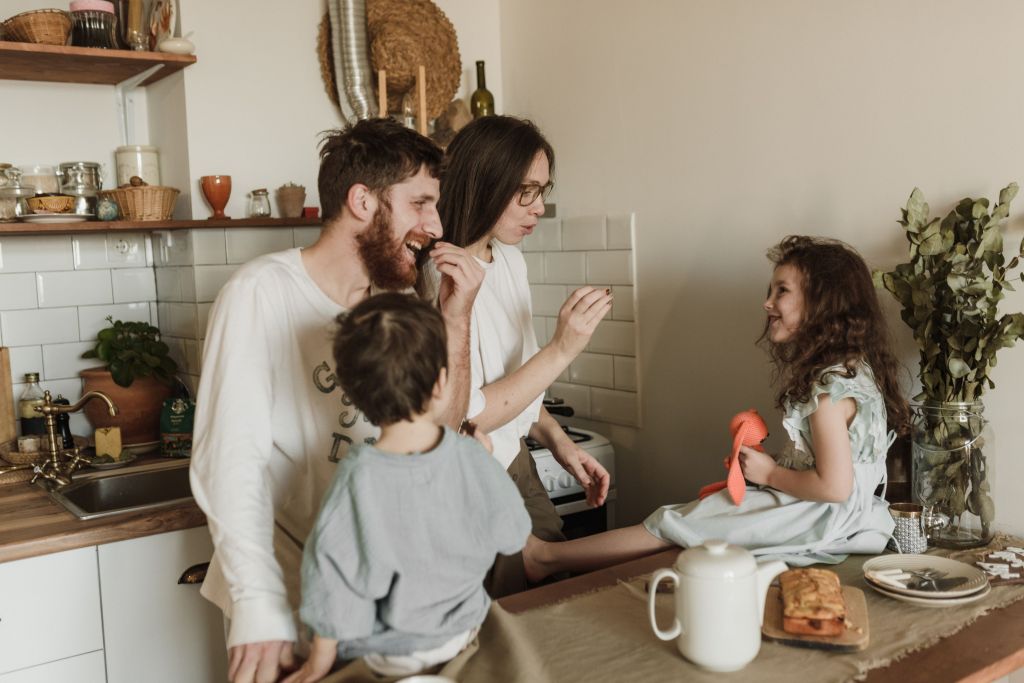
Children thrive on repetition. It creates a sense of predictability throughout the day. You can accomplish this by creating a daily rhythm in your home. This doesn’t mean that every day has to be exactly mapped out hour by hour, which would be more of a “schedule,” but a “rhythm” to the day refers to the same events happening in the same order every day. The child knows that when they wake up in the morning, they will get dressed, have breakfast, do a morning activity, etc. This takes away any anxiety over what may be happening next and brings a sense of calm to the home. It can also help prevent struggles against what will be happening next, because it has become a routine and it is expected.
Daily rhythm example
Daily rhythms can look different depending upon the season. For example, in the colder months, you may prefer to do outdoor activities in the second half of the day because it is warmer whereas in the warmer months, you may prefer to go outside in the first half of the day. Your rhythm will also change as your family changes. If you add another child to the home or if a child drops a nap, the rhythm will naturally change to fit the new needs of your family. Here is an example of my family’s daily rhythm with my 3.5 year old and my 1 year old:
Wake up
Get dressed
Cook breakfast (kids help and/or free play)
Eat together at the table
Activity with my oldest while my youngest sleeps
Snack time/circle time (we do our story during snack time because this works better with my kids)
Outdoor time/outing
Lunch
Nap for both
Snack and books
Cook dinner (kids help and/or free play)
Eat at the table
Get ready for bed
Read books as a family
Bed time
In-breaths and out-breaths
Daily rhythms consist of in-breaths and out-breaths. In-breaths are activities that have the child sitting, listening, or focusing. An example of this can be completing an activity like painting, sitting at the table and eating a snack, sitting around a circle for circle time, being in bed for nap time, or sitting in a stroller for a walk. Out-breaths are where children can release their energy with exploration or gross motor movement. This can be running around outside, playing at the park, sweeping the house, walking around while running errands, or playing inside unstructured.
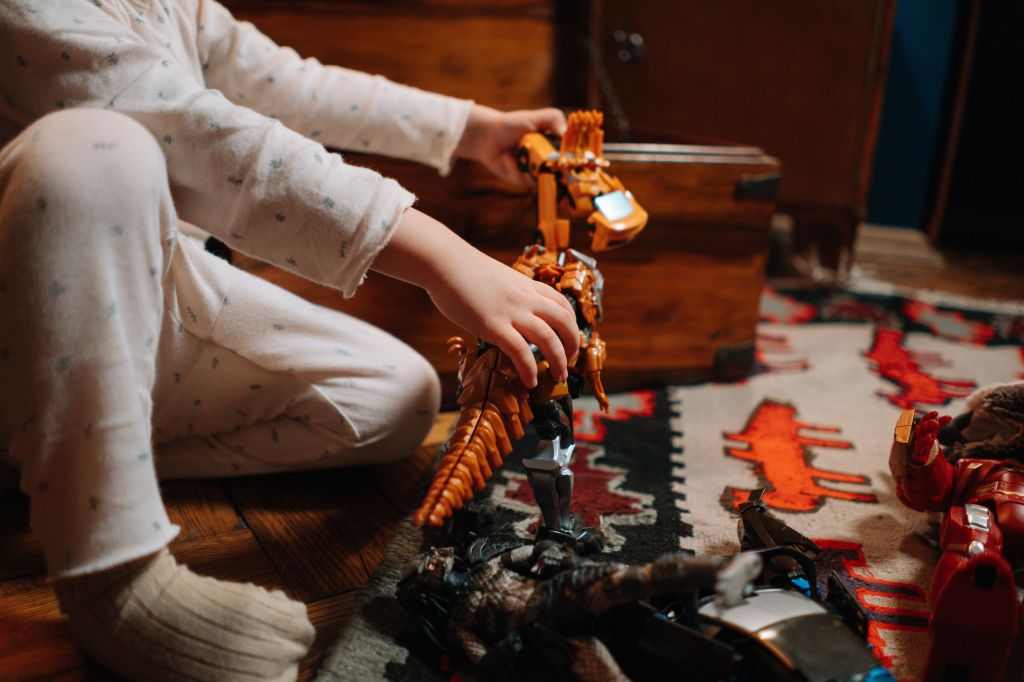
In the example I gave above, I make sure that my children have a balance of unstructured play and outside time with time sitting at the table and doing activities where I need a period of extended focus. You will notice when your child needs to shift from an in-breath to an out-breath when they start having behaviors like fidgeting, not wanting to participate, or misbehaving. These are good indicators that they may be having too much out-breath time and they need some time doing something calm or they have spent too much time sitting still or doing something structured and they need time to release some steam. Follow your children’s cues!
How to make a daily rhythm
As I mentioned earlier, rhythms will change with the family as your kids grow. Once my 1 year old no longer has a morning nap, I will include him more in our activities. For now, doing the activities during his nap is perfect because my 3.5 year old can get my undivided attention! Look at what you typically do in a day with your children and what you’d like to add and map it out to flow like breathing as mentioned above—in and out. Feel free to use the rhythm I provided as a starting point for yours rather than copying it exactly.
Observe what works and what doesn’t work for your family and adjust as needed! It can be helpful to have a visual, especially if you’re first starting out. A simple print out on your fridge can be great or you can also make a decorative hanging display for your main living space or play room. If you wanted a move hands on display, you can also add clothes pins to the side of the schedule and have your child unclip it and move it to the next part of the chart. Customize it to your family’s needs!
Summary
Creating a daily rhythm can provide a sense of calm and security in the home. It helps both you and your children know what is going to come next in the day. It does not have to be something that is perfect or set in stone. It ebbs and flows as your family does. It is not a strict schedule but is a consistent sequence of events to create predictability. Use the example provided as a guideline for how you can begin to create your own! Focus on having in-breaths and out-breaths to create balance in the day and avoid an overstimulated or fidgety child. Don’t forget to display your rhythm if it will help remind you and your child of what comes next!






Leave a Reply