

At 3 months old, it’s important to remember that your baby is still not ready for a strict schedule. It’s more like a routine right now, revolving around your baby’s needs. What’s helpful is that your baby should more or less have a natural rhythm that they follow at this time which can help your days feel a bit more predictable as you follow their cues and wake windows. Here’s a bit about my routine with my 3 month old and how it’s starting to shift now that he’s almost 4 months.
3 month old routine
At 3 months, N’s routine has become pretty steady. He is the one that made it based on his cues and I followed it. I would look for signs of sleepiness and put him down for a nap when I saw them. When he would wake up, he would get a diaper change, drink milk, and play until he showed signs of sleepiness.
Being aware of your baby’s wake windows is also important in understanding their cues. Babies will more or less be awake for a certain amount of time before they get tired. For N, it was around an hour and 15 minutes before he started to seem tired so I’d put him for a nap. This spaced his feeding sessions out to be around every 2 hours. A sample schedule for him looked like this:
8:30 AM: Wake up, diaper change, drink milk
Awake and play— total wake time 1 hour 15 minutes (including milk time)
9:45 AM: Nap for 30 minutes to an hour (he wakes up on his own)
10:15/10:45 AM: Wake up, diaper change, drink milk
Repeat until bed time at 7:00 PM
Babies will more or less be awake for a certain amount of time before they get tired.

Figuring out when your baby should nap
There is a sweet spot in figuring out the right time to put your baby to sleep. If you time it correctly, you should have little to no crying when putting your baby down for a nap. You may be thinking, “No crying?! I wish!” And your wish is my command. Here is how to determine when the best time to put your baby down for a nap is. Also keep in mind that it will take some time before you master this and before then, you will have some crying. Also be prepared for family members to doubt that your baby is tired and try to convince you that they should play for longer. Listen to your parent gut! After spending enough time listening out for it, you’ll quickly be able to determine from a single “goo” that your baby is ready for a nap.
If you time it correctly, you should have little to no crying when putting your baby down for a nap.
Sleepy cues
Signs of tiredness should not necessarily be screaming and crying. Before this, and even before yawning, there are a slew of other things that you can keep your eye out for. This is extremely important because the more tired your baby is, the harder it is to get them to sleep. It may seem counterintuitive, but an overly tired baby is harder to get to sleep than a baby that has just started showing their first signs of tiredness.
- Twitching arms and legs
- Coos that sound unhappy (you have to train your ears for this)
- Red eyes
- Not smiling or interacting
- Complains as soon as you put them down
- Complains even when you pick them up
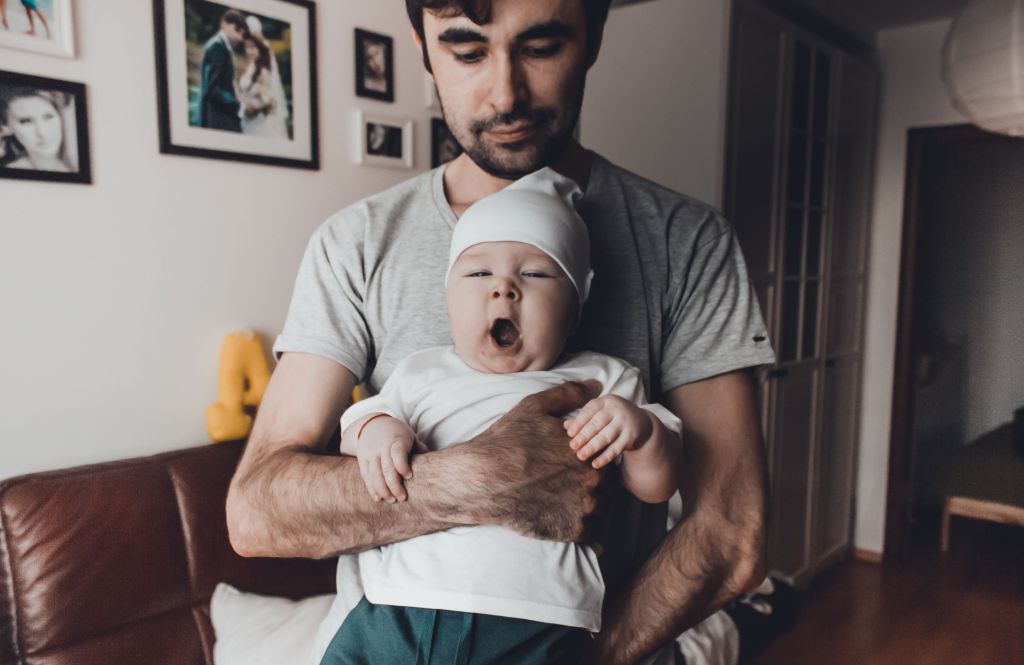
- Yawning
- Crying even if they have no dirty diaper and are well fed (try to catch sleepy cues before this)
Remember, even one complaint is enough to put them to sleep once you figure out their wake windows and they have been awake for enough time. Don’t wait until the signs become increasingly worse and don’t feel bad for putting the baby in “too soon” when they’ve shown these signs already.
It may seem counterintuitive, but an overly tired baby is harder to get to sleep than a baby that has just started showing their first signs of tiredness.
Determine wake windows
Now that you’ve figured out what your baby’s sleep cues are, how do you know around what time you should be extra vigilant for them? It helps to be aware of these sleep cues at all times, but it’s extra important to keep a closer eye out for them when you know your baby has been awake for more or less the amount of time that they tend to get sleepy after. Here’s your first steps in figuring out what sweet spot of a wake window for your baby:
- Step 1: Mark down when your baby falls asleep and wakes up using an app like Baby Tracker
- Step 2: While your baby is awake, look for signs of sleepiness
- Step 3: When your baby shows that first sign, rock them to sleep. Do not wait until your baby becomes increasingly upset!
- Step 4: Once you’ve figured out a pattern, keep an eye out for sleepy cues when the amount of time has passed
Now, you have your wake windows! As your baby gets older, these wake windows will start to increasingly get longer. That’s where it starts to get a bit tricky as you have to adjust the time frame and keeping an eye out for those sleepy cues will be super helpful. If the wake windows become increasingly bigger before your baby’s shows sleepy signs, that could be a signal that your baby is ready for a bigger wake window. Another cue that they’re ready for a longer wake window could be that repeatedly, when you put your baby for a nap, they take too long to fall asleep or they don’t sleep for long enough. The transition will be gradual and not all at once so be careful not to keep your baby awake for a drastically longer amount of time all of a sudden or you could end up with an overly tired baby that’s difficult to get to sleep.
Another cue that they’re ready for a longer wake window could be that repeatedly, when you put your baby for a nap, they take too long to fall asleep or they don’t sleep for long enough.
Sleep changes in a 4 month old
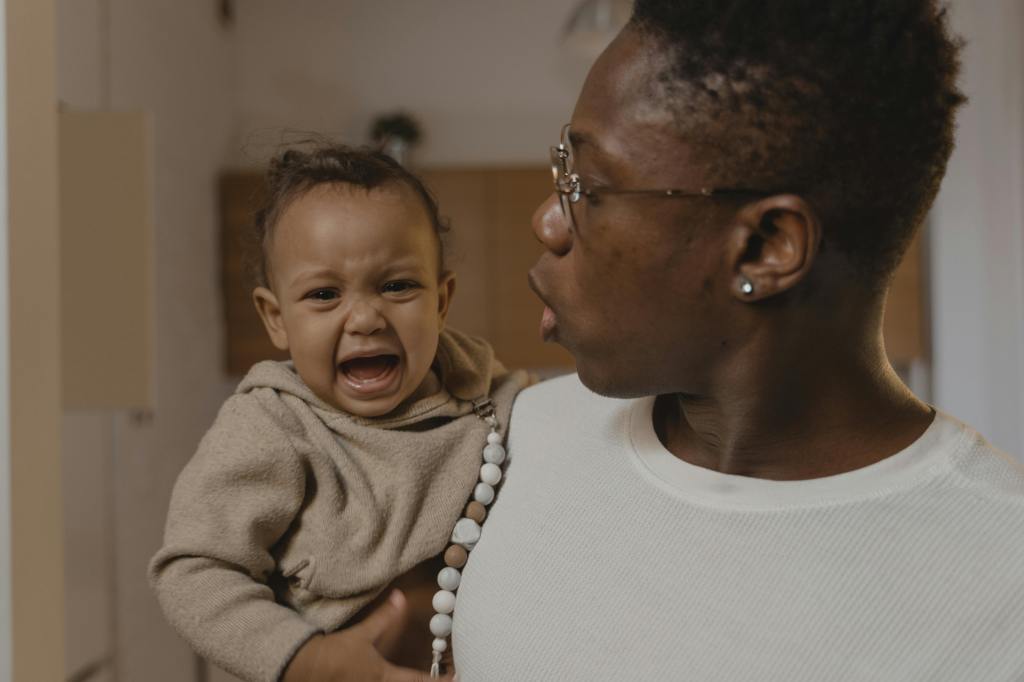
Now that N is almost 4 months old, things are becoming a bit wacky again. It’s getting harder to tell whether he’s sleepy or bored since at this point, babies have gathered a general understanding of the world around them and are ready for more stimulation so they get bored faster. When he’s upset now, I’m juggling multiple things that it could be rather than being sure he’s tired.
To combat this, following an eat, play, sleep window is helpful. That way if he’s eaten and he’s fussy, the 3 things that could be bothering him are that he’s either overstimulated, under-stimulated, or tired. Although before 4 months, being under-stimulated most likely wasn’t the reason so it still is a little more tricky to handle.
To combat this [ruling out why a baby is fussy], following an eat, play, sleep window is helpful.
Starting sleep training
Since he is less than a week away from being 4 months old, N is almost ready for sleep training. Babies are ready for this between 4-6 months because this is when they can start building associations with their sleep. I’m going to start deep diving into this now so that way I can start sooner rather than later so that way we can get into a routine that works for both of us!
When people hear “sleep training” they automatically think about the “cry it out” method. They aren’t necessarily synonymous. There’s many different methods of sleep training that you can use depending on what works best for both you and your child. I’ll be making a post soon on my research and progress with sleep training as I go through it!








Leave a Reply