

There are many things that you’ll learn as a new parent. Some are hard learned lessons, and others come easier as you figure things out on the go. I’m going to share some lessons that seem obvious after saying them out loud, but at the time had to be learned. If no one tells you, you’ll only learn through experience so hopefully these are lessons that you don’t have to learn on your own! Any purchases made with the links provided will earn a small commission.
- 1. Babies don’t just cry all of the time.
- 2. Your baby should not have a ton of spit up.
- 3. Pay attention to your baby’s wake windows.
- 4. Try soothing with other ways before milk.
- 5. Keep your bra liners dry if you’re breastfeeding.
- 6. Try different pacifiers if one style doesn’t work.
- 7. Don’t introduce a bottle too late.
- 8. There’s different bottle nipple flows.
- 9. Use ready made formula for occasional supplementing.
- 10. Give your baby time to settle back to sleep.
- 11. What works for some babies may not work for yours and vise versa.
- 12. Let your baby feed themselves when they start solids.
- 13. Use booties instead of socks.
- 14. Get warmer sleep sacks and pajamas for the winter.
- 15. Use cool compresses instead of warm when having mastitis symptoms.
- Summary
1. Babies don’t just cry all of the time.

I’ve always been told that I have happy babies. All babies have different temperaments, but I think a big key is to make sure that all of your baby’s needs are met. Babies aren’t meant to stay up for long periods of time. If your baby is overly fussy, they may just be tired! They nap a lot. Listen to their cues. The same people that comment that I have “such happy babies” also criticize me for having kids that nap “so much.” If they’re less than 4 months old and they’re ready for a nap every hour or so, let. them. nap.
Eventually, your baby will start to have more predictable patterns of wake and sleep and as they get older you can extend their wake windows. Kids need a lot more sleep than people realize. Follow the pattern of eat, wake, sleep and repeat. Your baby will be much happier! Also, make sure your baby does not have reflux by referring to number 2.
2. Your baby should not have a ton of spit up.

Yes, it is normal for babies to spit up. However, if babies are spitting up in large amounts, especially if its been 30+ minutes after they drank milk, it could be something to keep an eye on to make sure they don’t have reflux. Check if their bassinet is very wet near their face after sleeping. This could be a sign they had a lot of spit up while sleeping.
Both of my son’s had reflux and they both had very different signs. My first son would wake up every 45 minutes at night (even after the newborn stage), would have a soaked bassinet with spit up, was irritable, and would spit up a lot after eating. After reflux medicine, he slept for over an hour at a time at night and was much happier. My second baby was super happy all of the time but had large amounts of spit up constantly. My doctor was convinced it wasn’t reflux because he was “happy” and said it was “just extra milk he didn’t need,” until he dropped from the 70th percentile to the 12th percentile for weight in 2 months. Turns out it was…drum roll please…reflux!
If you feel like the amount of spit up is crazy for your baby, trust your mom gut! Bring it up with your doctor and keep an eye on that weight gain. It could be something else causing fussiness, but definitely having reflux as an option is important to consider.
3. Pay attention to your baby’s wake windows.

Between 4-6 months, babies are ready to be sleep trained (not to be confused with cry it out). When you notice your baby is having a consistent amount of time awake, this is called their “wake window.” Even before sleep training, babies will naturally start to develop these wake windows. For example, after an hour and 15 minutes, you may notice your baby showing signs of fussiness. The time frame will be consistent every day. Also you may notice that the wake windows in the morning are shorter and will start to lengthen as the day goes on.
Don’t wait until your baby starts crying to put them to bed! Keep an eye out for those smaller sleep cues so they don’t become overly tired and put them in to sleep. Cues could be things like they’re starting to coo a certain way (you’ll learn what their different coos mean over time), they’re rubbing their eyes, they become disinterested in any toys and are not engaging, they’re yawning, etc. Sleep training comes into play when you begin to show your baby how to self soothe, but you can begin the process of creating a routine around their wake windows even before this!
4. Try soothing with other ways before milk.

Let’s say your baby woke up, had diaper change, and drank milk, but they’re still upset… what do you do? Don’t assume they need more milk right away. This is especially important during night time wakings. It’s easy to want to give your baby milk as soon as they wake up, but they could be waking up because they startled themselves and need help going back to sleep with rocking, they have a burp and need their back patted, they pooped and need a diaper change, or any number of things. Make sure you check off your other options before giving milk, especially if it hasn’t been very long since their last feeding. This will help prevent a consistent night waker, especially after the 4 month window!
If you’ve exhausted all other methods of soothing and they’re still upset, of course you should feed them, but don’t jump straight to giving milk. Keep in mind sometimes your baby really will just want milk because they drink milk constantly at the beginning, but just be mindful of checking their other needs first too! Another thing to consider is their day time sleep. They could be sleeping too much or too little during the day which can affect night time sleep. I will be writing a post about sleep soon!
5. Keep your bra liners dry if you’re breastfeeding.

When your milk supply is coming in, you may have a lot of leaking. Make sure you put pads inside of your bra to soak up any milk. I highly recommend using disposable and not washable pads for your nursing bra, at least in the beginning. This will allow you to change out your liners frequently and they’re also easier in general because they don’t fall out of your bra while you’re breastfeeding. If you keep the liners moist, you can develop thrush, which is horrible to get rid of (ask me how I know…)! The Lasinoh pads are the most comfortable!
6. Try different pacifiers if one style doesn’t work.

My oldest didn’t like his pacifier and would always spit it out. I always assumed he didn’t like them but I never thought to try other styles! I just assumed that babies either liked pacifiers or they didn’t. However, pacifiers have different shapes and materials. I recommend getting a trial box and once you find one that your baby likes, buy multiple of them. For my first baby, I didn’t know any better and bought a ton of a single type of pacifier and he didn’t like them. For my second baby, we did the trial box and it was so helpful because we learned which was his favorite and then got multiple of it. We kept them all over the house which was really helpful with 3 floors!
As a side note, both of my kids ended up sucking their thumbs after initially using pacifiers for a short period of time. They just stopped taking the pacifier and would only want to suck their thumbs instead! Tips on how to wean from that once I figure it out with my 3 year old! It’s more of a problem when adult teeth come in around 5 or 6 and he only does it for sleeping thankfully so it’s not a huge concern for us yet.
7. Don’t introduce a bottle too late.

After your baby has established breastfeeding, around 4-6 weeks depending on the baby, introduce a bottle. I always heard not to do it too early, but I never heard about too late. Do not wait until after 6 weeks or your baby may refuse the bottle! This happened to my first son and it was not fun. I always thought that I wouldn’t need the bottle because I’m home with him all of the time and never tried one, but when I found that I’d like to have some breathing room sometimes (surprise surprise), he wouldn’t take the bottle and it was difficult to get him adjusted.
8. There’s different bottle nipple flows.

This is especially important when introducing the bottle to your baby! Your baby should not be struggling to get the milk out. You can tell this is happening if they are getting frustrated. This means that the flow is too slow (for example, only one hole and they may need two holes). On the contrary, if milk is pouring down your baby’s face when they’re drinking, the flow is too fast. You should go down to less holes. This was really helpful to learn once I finally introduced the bottle to my son after he had been exclusively breastfeeding for months.
9. Use ready made formula for occasional supplementing.

If you don’t like to pump but want to introduce the bottle, you can use ready made formula. Instead of mixing the powder with distilled water, you can buy bottles of liquid formula. They sell them in small bottles so you don’t have to worry about throwing away the rest of it if you don’t need it often. I suggest ready made because powder formula has to be thrown way within 30 days (I didn’t know this at first either) and that won’t get used up fast enough if you’re using the bottle once a week.
10. Give your baby time to settle back to sleep.

Around the 4-6 month mark, your baby will learn how to self soothe. If your baby wakes up and starts to cry, give them a few minutes to settle down if their cries are not escalating. It can take up to 15 minutes for them to completely fall back asleep. If the cries are getting worse and not better, go ahead and comfort them. Only wait if they’re just complaining and not crying a lot. You will know your baby and when they’re not going to settle and you need to intervene. They are still very young and still need help going back to sleep a lot of the time.
11. What works for some babies may not work for yours and vise versa.

All children are drastically different. Receiving criticism for how you raise your child will happen either directly or indirectly. General parenting advice can be okay, but sometimes as a parent, you do things a certain way because your child may be particular about something and you learned how to handle it best. My oldest son for example, is very particular. I used to get criticism for how exact I had to do things but it was because when he was younger (he is more flexible now) if I didn’t put him in for a nap by a certain time, the whole rest of the day would be in turmoil. Only when family witnessed it first hand did they understand, and it validated that I knew him best! Only you can see the full picture. Take all advice with a grain of salt and make sure you take your particular child into consideration.
12. Let your baby feed themselves when they start solids.

I never spoon fed either of my children. Yes, this is messier. However, they need to learn how to feed themselves at some point so it’ll either be messy sooner or later! I fill up the spoon and either leave it on their plate or hold it out for them to grab and they put the spoon right in their mouths right at 6 months. This can help avoid picky eating and establish independence. If you’re interested in learning more, look into baby led weaning.
Baby led weaning also allows babies to listen to their hunger cues because they are the ones controlling when they are eating. Spoon feeding is more likely to result in a baby eating past their full point because you are the one controlling when the food goes in their mouth. If your baby is not wanting to eat, don’t convince them. They know when they are hungry and when they are full!
13. Use booties instead of socks.

Booties have velcro straps that allow you to adjust them to your baby’s feet and they don’t fall off. If your baby tends to run cold or it’s winter, it’ll keep their feet much warmer too. My youngest always had the coldest toes with his socks until we started using booties! My favorite are Hudson booties.
14. Get warmer sleep sacks and pajamas for the winter.

I knew they made fleece sleep sacks, but they also make a fur material that is even warmer! Even putting my baby in a fleece zipper onesie wasn’t enough and his hands were always ice, so now I combine the fleece pajamas with a fluffy sleep sack and he sleeps so much better. If your baby keeps waking up at night and their hands are cold, try this!
15. Use cool compresses instead of warm when having mastitis symptoms.
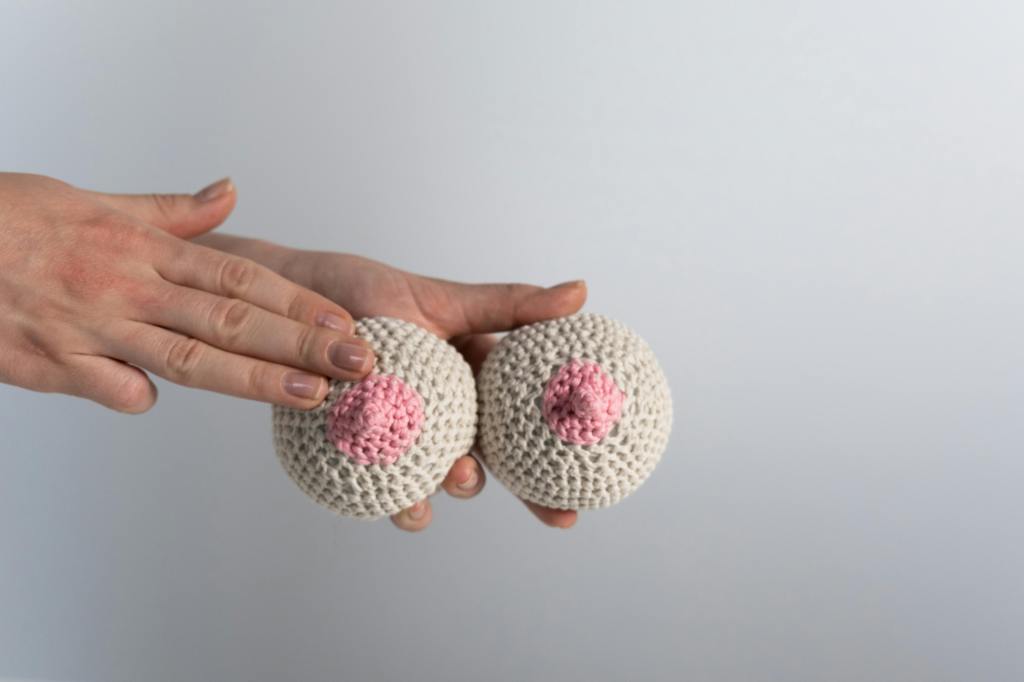
If you have swollen breasts from breastfeeding, ice helps with inflammation, not heat! Doctors used to recommend heat for breast engorgement, but they now recommend the cold because the heat can actually make it more inflamed.
Summary
I’m sure there’s many more things that can be added to the list, but these are the few miscellaneous items that seem random but no one thought to tell me and I learned through experience. Parenting comes naturally enough to where you will keep your baby alive, but if you want to truly have a baby that has a good routine, sleeps well, eats well, among other things, it will take some research. At the very least, it will take a lot of trial and error. I hope this post helps make your job as a parent just a little bit easier!









Leave a Reply